 By Santosh Kumar
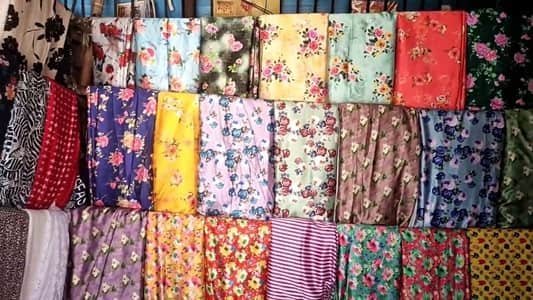
 Katran Market Delhi is one of the most popular budget fabric markets in the city. It is mainly located in Mangolpuri, North-West Delhi, and is famous for fabrics, cut pieces, dress materials, kurtis, dupattas, bedsheet cloth, lace, borders and affordable ethnic wear. The word “katran” means leftover cloth pieces or cut fabric, and that meaning fits the market well because many shops sell surplus fabric, leftover textile stock and budget-friendly cloth materials.
Unlike a polished showroom market, Katran Market has a raw street-market style. Buyers come here for low-price fabrics, mix-and-match materials, printed cotton, rayon, georgette, net, lining cloth, home furnishing fabric and ready-made ethnic wear. It is especially useful for boutique owners, tailors, students, home-based designers and people who enjoy fabric shopping at low prices.
History of Katran Market Delhi
The detailed formal history of Katran Market is not widely documented like Chandni Chowk or Karol Bagh. Still, its growth is closely linked with Mangolpuri’s industrial and textile activity. Mangolpuri has many small factories, warehouses and garment-related units. Because of this, surplus cloth, fabric rolls, rejected lots, export leftovers and cut pieces started reaching the area.
Over time, these small fabric sellers became part of a proper market. Local fabric buyers, tailors and shopkeepers began visiting Mangolpuri to buy cloth at lower prices. Gradually, Katran Market became known as a place where shoppers could buy fabric by metre, by piece and sometimes even by weight.
Several local guides identify Katran Market with Mangolpuri Industrial Area Phase 2 and describe it as a fabric market shaped by nearby cloth mills and warehouses.
Location of Katran Market Delhi
Katran Market is located in Mangolpuri, Delhi, mainly around Q Block/S Block and Katter Market Road. Justdial lists Kattaran Market at 468, Block Q, Katter Market Road, Mangolpuri S Block, Delhi – 110083.
The market is often searched as Katran Market Mangolpuri, Katran Market Rohini side, or Mangolpuri Katran Market. It is close to Rohini, Peeragarhi, Paschim Vihar, Udyog Nagar and Mangolpuri Industrial Area.
Metro access can vary depending on the exact gate or lane you want to reach. Some local guides mention Peeragarhi and Udyog Nagar on the Green Line as useful nearby metro stations. Moovit also lists nearby metro access for Mangolpuri Industrial Area Phase II and Katran Market-Mangolpuri, though the nearest station may differ by the exact map point.
Shops in Katran Market
Katran Market has many small fabric shops, street-side stalls and cloth sellers. The market is not limited to one kind of fabric. You can find daily-wear cloth, fancy fabric, ethnic wear material, home-use fabric and small tailoring supplies.
Common shops and items in Katran Market include:
Unstitched fabric shops
Printed cotton sellers
Rayon and georgette fabric shops
Net and lace material sellers
Kurtis and ethnic wear stalls
Dupatta shops
Bedsheet fabric sellers
Curtain and home furnishing cloth shops
Borders and lace shops
Blouse material shops
Surplus fabric shops
Budget ready-made garment shops
LBB describes Katran Bazaar near Rohini/Mangolpuri as a place for budget fabrics and ethnic wear, while So Delhi highlights its street-cloth-market identity with fabrics and clothes available at low prices.
What Is Katran Market Famous For?
Katran Market Delhi is mainly famous for cheap fabrics and cut-piece cloth shopping. It is a favourite place for people who want material for suits, kurtis, blouses, palazzos, dupattas, bedsheets, cushion covers, curtains or small boutique projects.
The market is famous for:
Budget fabrics
Katran/cut-piece cloth
Dress materials
Kurtis and ethnic wear
Dupattas and borders
Bedsheet fabric
Curtain fabric
Lace and trims
Surplus textile stock
Tailoring material
The biggest attraction is price. Many buyers visit because they can get fabric at lower rates compared with regular retail fabric shops. Some sellers offer fabric by metre, while others sell leftover stock or cut pieces at very affordable rates. That is why the market is useful for both personal shopping and small business buying.
Market Timings and Closed Day
Timings may vary from shop to shop, but Justdial lists Kattaran Market in Mangolpuri as functional from 10:00 AM to 9:00 PM. Some local market guides mention a practical buying window of around 11:00 AM to 7:00 PM.
Katran Market is commonly said to remain open all seven days, but several local sources mention that it closes on the 28th of every month. Since this is a local-market rule rather than a government-notified schedule, it is better to confirm before travelling, especially if you are coming from far away.
How to Reach Katran Market Delhi
The easiest way to reach Katran Market is by metro plus local transport. You can get down at Peeragarhi or Udyog Nagar Metro Station on the Green Line and take an auto-rickshaw or e-rickshaw toward Katran Market/Mangolpuri Q Block. Some route guides also mention nearby bus access around Mangolpuri.
If you are coming by road, use landmarks such as Katran Market Mangolpuri, Katter Market Road, Q Block Mangolpuri, or Mangolpuri Industrial Area Phase 2. Parking may be difficult during busy hours, so public transport is usually easier.
Nearby Places
Nearby places around Katran Market include Mangolpuri, Rohini, Peeragarhi, Paschim Vihar, Udyog Nagar, Mangolpuri Industrial Area, Rani Bagh and Pitampura. People often combine a visit here with nearby West Delhi and North-West Delhi markets depending on their shopping needs.
Final Words
Katran Market Delhi is a practical and budget-friendly fabric market in Mangolpuri. It is best known for cut-piece fabrics, dress materials, kurtis, dupattas, lace, borders, bedsheet cloth and surplus textile stock. For tailors, boutique owners, students and budget shoppers, it is one of Delhi’s useful fabric-buying destinations. The only thing to remember is that the market can be crowded and timings may vary, so visiting in the late morning or afternoon is usually the safest choice.